2026 ALTERNATIVE WAVE

This year, Alternative Wave came back with its full strength. We selected eight feature-film projects, each represented by its authors and project teams, and built the programme around project development, international professional exchange, and new approaches to filmmaking.

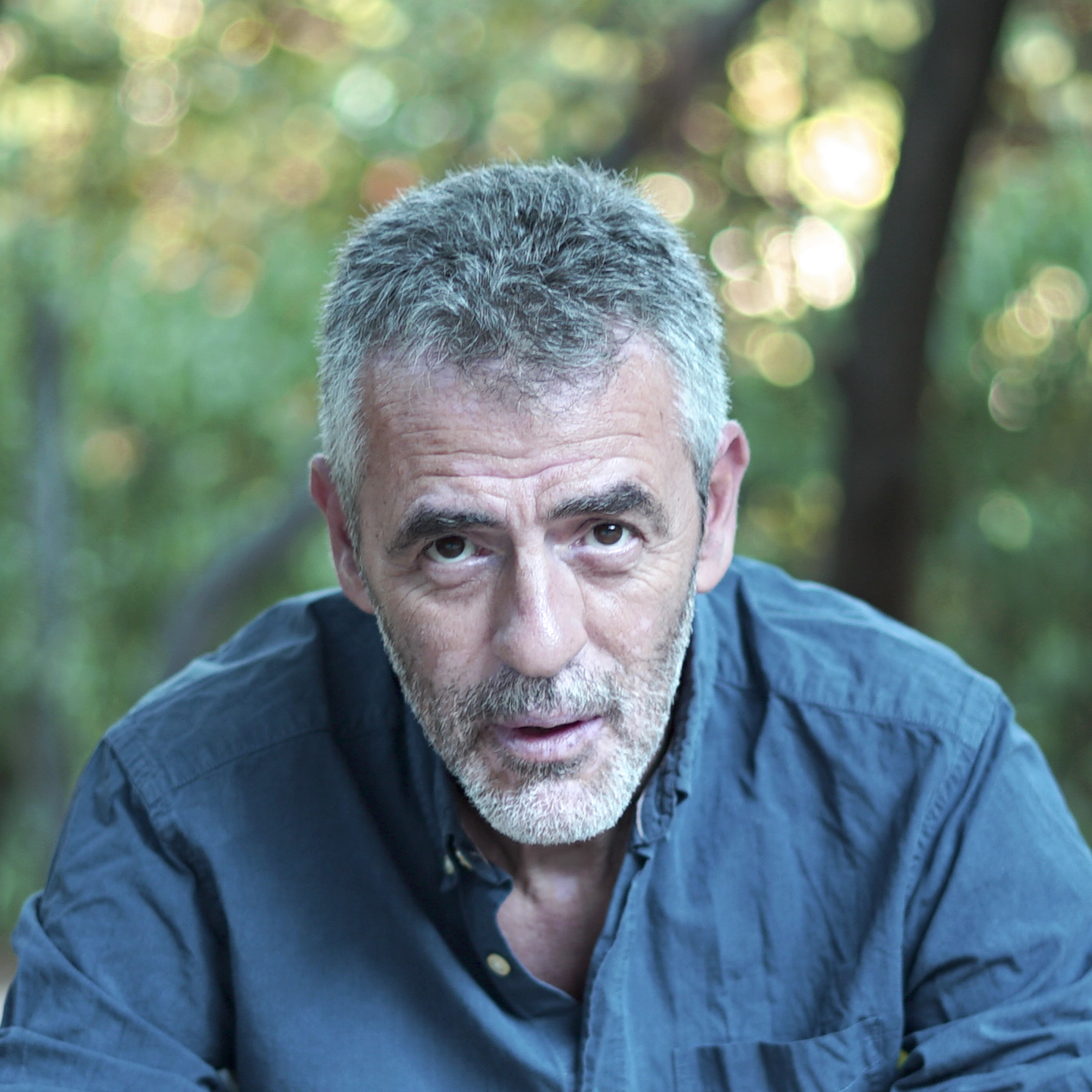
Nicos Panayotopoulos

Script-doctor

Greece

Famous Greek Novelist and scriptwriter Nicos Panayotopoulos remains at the core of our project development programme. He is a long-time friend of Alternative Wave and has been coming to Georgia since 2016. This was his seventh time at the Batumi platform. His long-term engagement with the programme has allowed us to develop a consistent approach to script development and to build a strong relationship with the participating filmmakers.

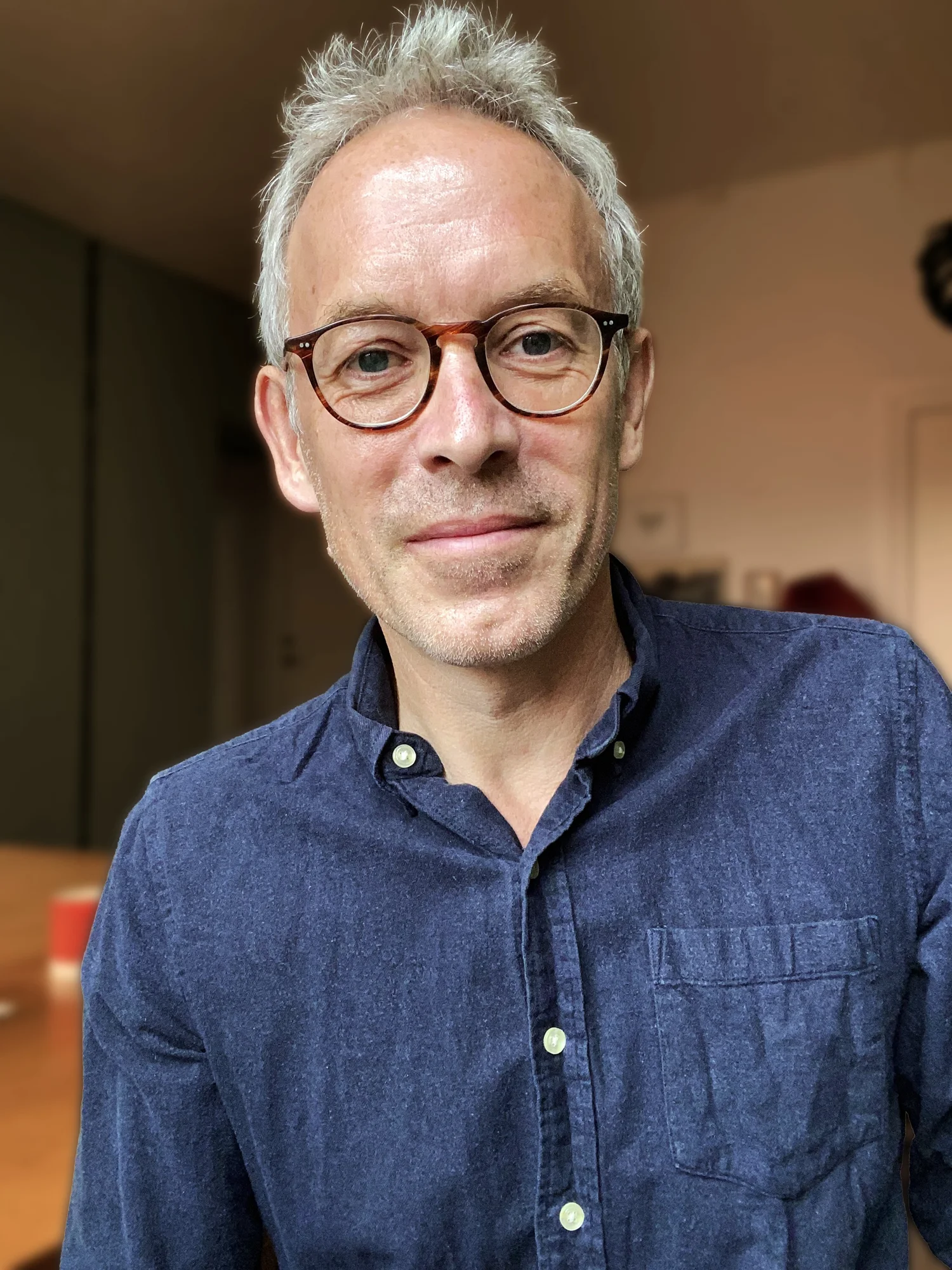
Paul Tyler

Story consultant and film development professional

United Kingdom

Paul Tyler joined us for the third time. His approach is different and complementary: he helps filmmakers step back from their projects, map the material as a whole, and look at the story, characters and development from an outside perspective. His sessions have always been particularly valuable in helping filmmakers to define the main theme and see their projects from a new angle.

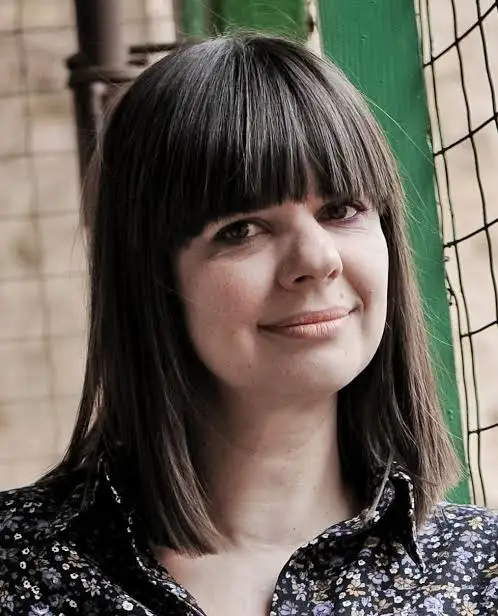
Amra Bakšić Čamo

Film Project Packaging and Co-Production Consultant (Online)

Bosnia and Herzegovina

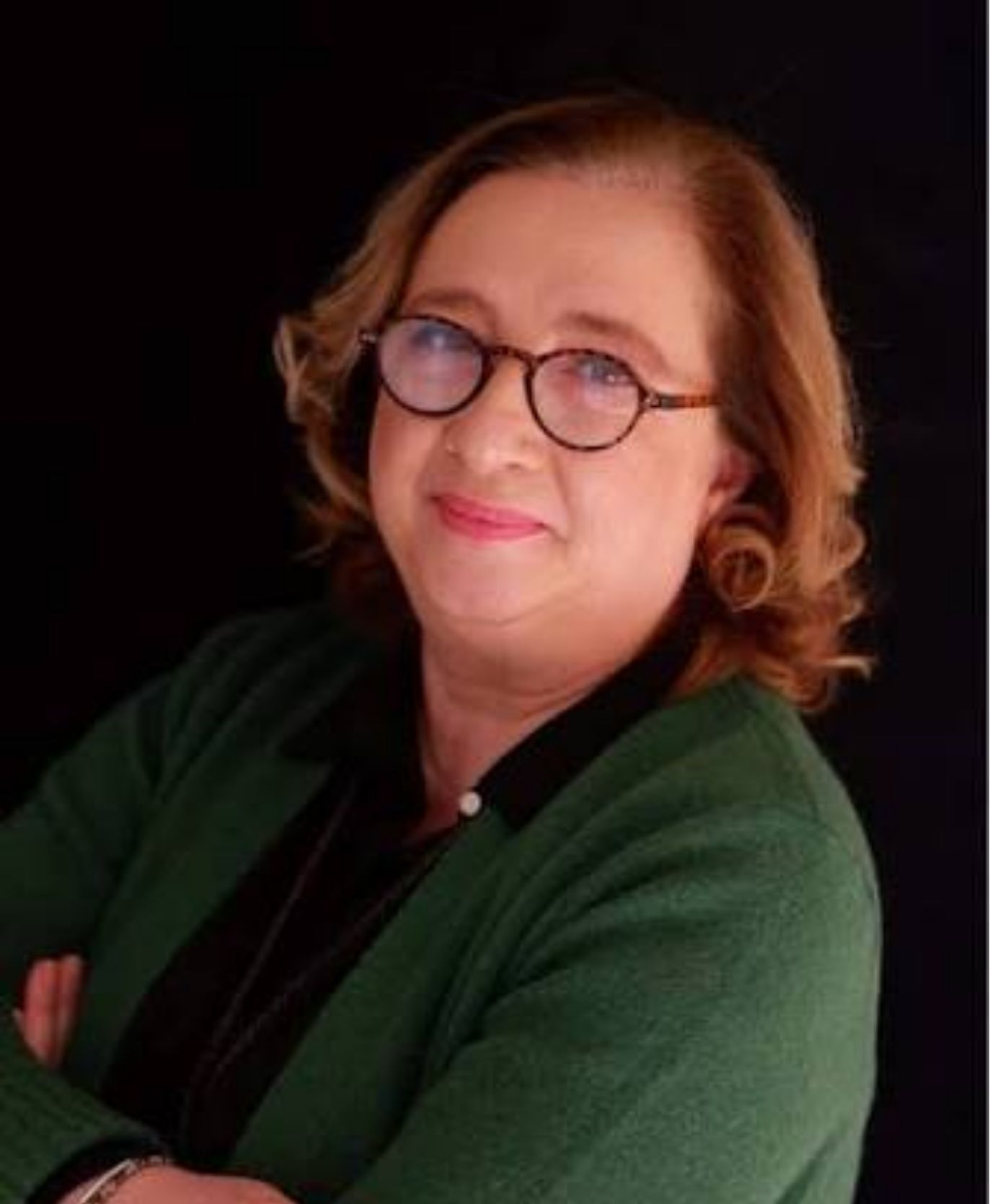
Amra Baksic Camo joined us online with her extraordinary energy and held individual meetings with all the participants, focusing on their projects and their development within the European co-production landscape. Coming from a country with funding realities and challenges similar to those faced by Georgia, her perspective was particularly relevant and valuable to our filmmakers. Her advice on project development is always very practical and insightful, drawing on her extensive experience as the founder of CineLink and on her deep understanding of how projects can be developed, positioned and connected to the international co-production environment.

Jo Muhlberger presented the opportunities and support mechanisms offered by EFP to filmmakers and introduced the participants to the possibilities available through the European Film Promotion network.

This year, we also had the opportunity to host John Durie, who gave a masterclass on strategic film marketing. The project representatives then had individual meetings with him, focusing specifically on how to position and present their projects and how to develop stronger presentation and packaging strategies.

John Durie

Strategic film marketing

United Kingdom

Another important focus of this year's programme was AI in the audiovisual sector. We brought together a group of professionals working with AI to explore not only its creative possibilities, but also its practical applications in other areas of filmmaking, including budgeting, scheduling and production planning, while also discussing the challenges and risks these new tools bring to the industry.

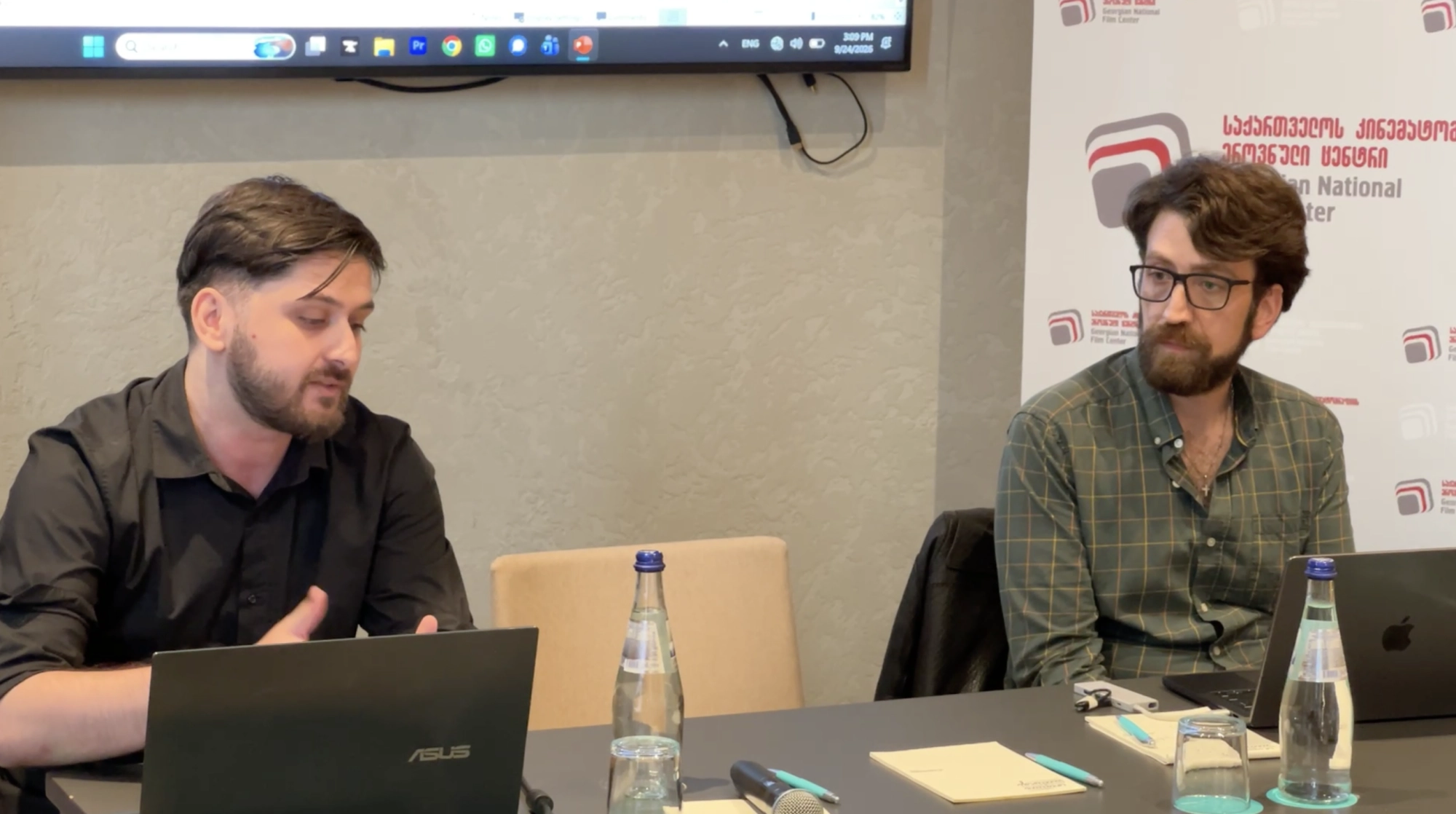
The Artificial intelligence experts in audiovisual industry Tsotne Morgoshia and Davit Jikavadze

We also dedicated a specific part of the programme to casting. We invited casting director Eka Mzhavandze together with actors to share their experience and perspectives directly with the directors. The aim was to encourage filmmakers to think about casting as an integral part of the creative process from an early stage, and to create an opportunity for directors, casting professionals and actors to establish a close working relationship and explore the potential for collaboration from the beginning of a project.

Eka Mzhavanadze

Casting director

Georgia

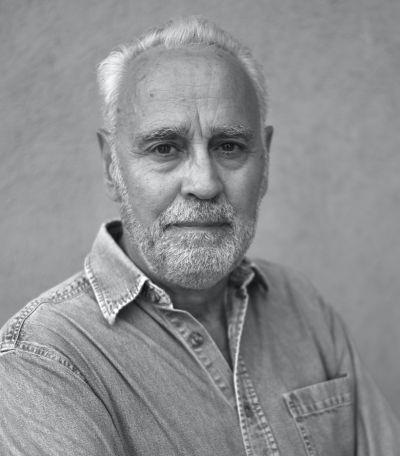
Another new element we introduced this year was a series of masterclasses with Gia Razmadze, an ethnologist and teacher, who explored ancient Georgian fairy tales, folklore and traditional storytelling practices from different regions of Georgia. The sessions looked at how stories were told and passed down through generations, and at the distinctive storytelling traditions that developed across the country. This gave the authors another perspective on their own projects, encouraging them to draw from the deep cultural roots and storytelling heritage of Georgia and to build their narratives on a strong and authentic cultural foundation.

Gia Razmadze

Regenerative Agriculture Specialist, Ethnologist, Educator

Georgia

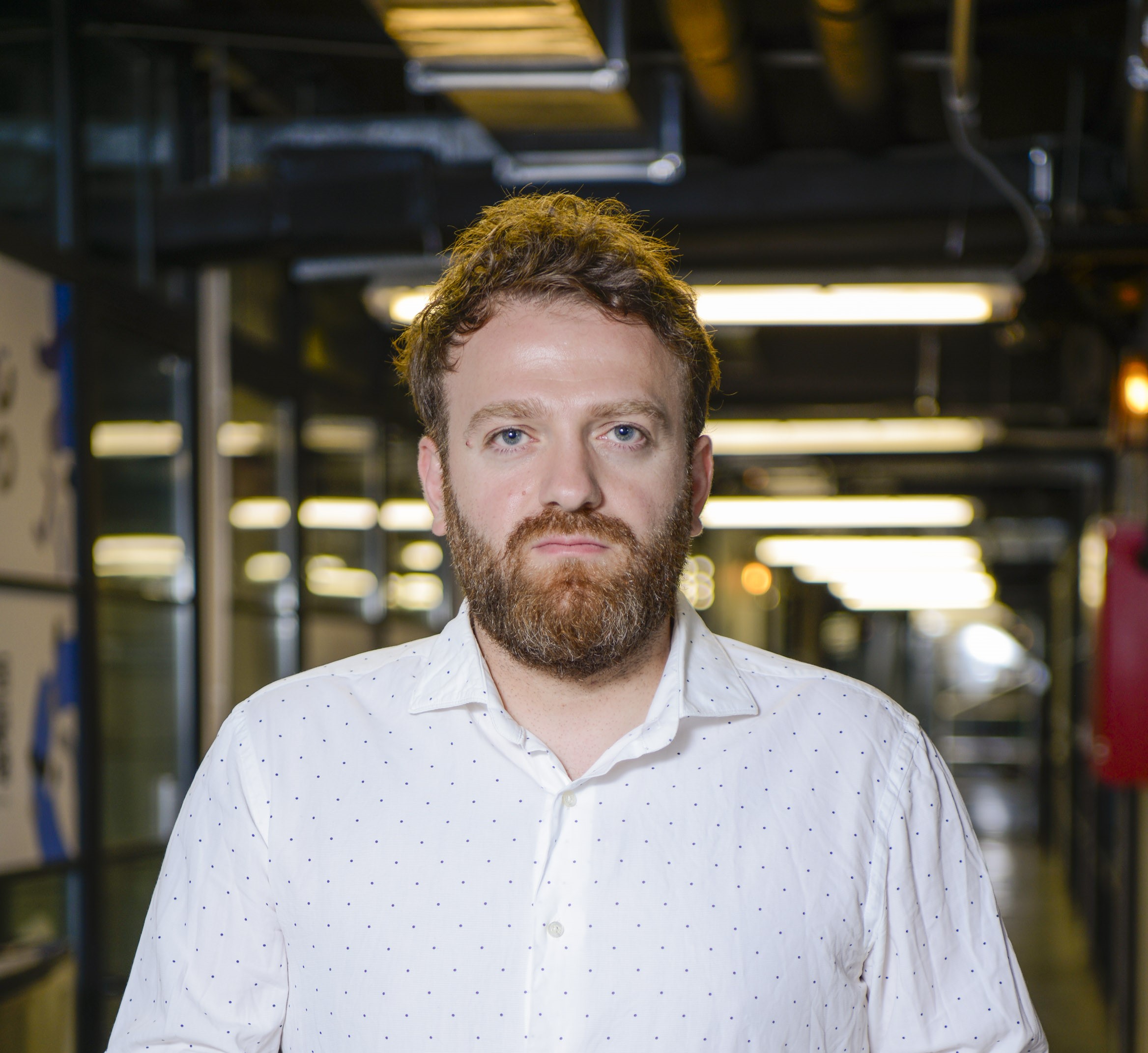
We were also pleased to host Tornike Jobava, Deputy Head of the Georgian Agency for Innovation and Technology (GITA), together with representatives connected to the TUMO programme, opening a broader discussion around innovation, technology and the future of creative industries in Georgia.

Tornike Jobava

Deputy Head of the Georgian Agency for Innovation and Technology (GITA)

Georgia

Mamuka Bliadze, Director of the Georgian National Film Center, was also present throughout the programme and made himself available for individual meetings with the project representatives. He actively participated in discussions with the international experts and filmmakers, creating an opportunity for direct and open exchange between the participants and the national film institution.

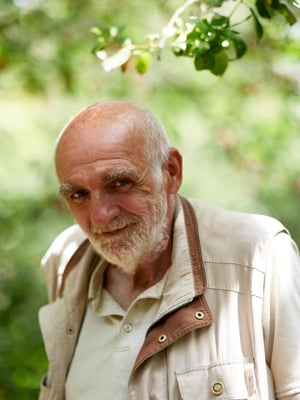
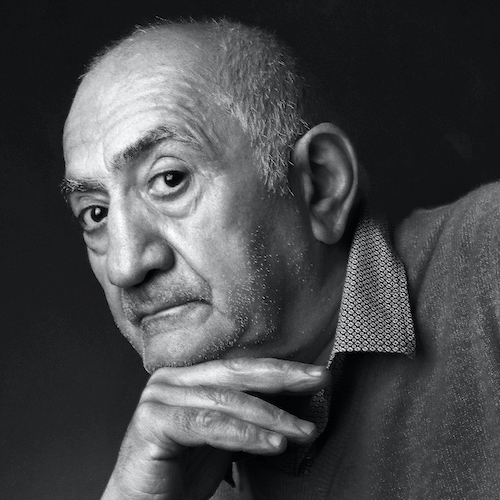
We also had the opportunity to host a masterclass by renowned Georgian photographer Yuri Mechitov, a close friend of Sergei Parajanov who photographed and documented several of his productions. Through his personal archive, Mechitov shared photographs from the sets of films by Sergei Parajanov, Temur Babluani, Nana Jorjadze and Julie Bertuccelli, offering the participants a rare visual insight into the filmmaking process and into an important period of Georgian cinema. His presentation also touched on some of the earliest international co-productions made in Georgia, connecting the history of Georgian cinema with the international collaborations of today.

Yuri Mechitov

Photo-artist

Georgia

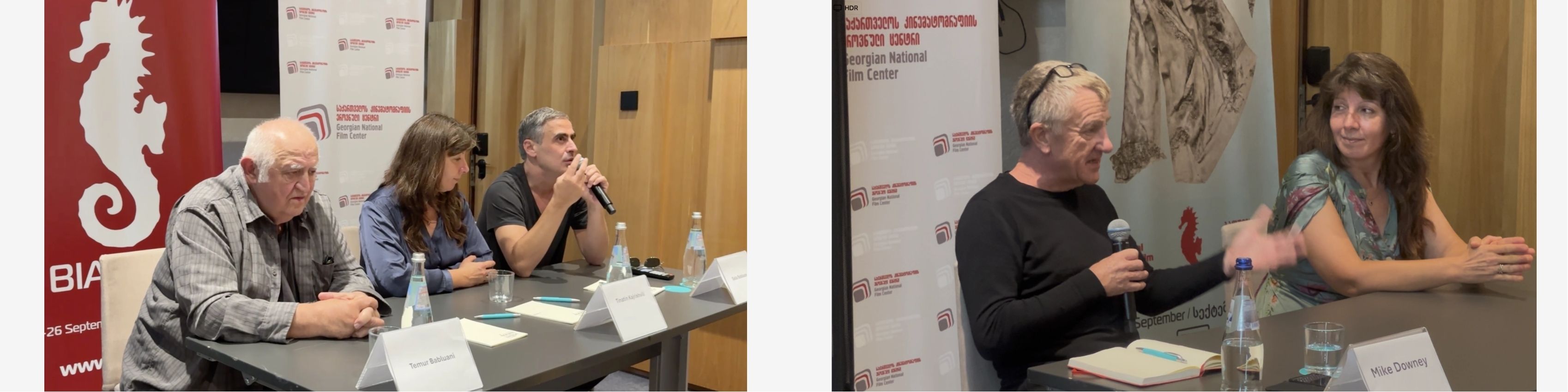
Finally, we had the rare opportunity to welcome several highly respected figures from Georgian and international cinema, including Mike Downey and Gela Babluani. Their presence added another important dimension to the programme and created opportunities for direct exchange between established professionals and the new generation of filmmakers.

The masterclasses were also open beyond the selected project teams. We invited students from the Batumi and Tbilisi film and television universities, as well as local filmmakers, casting professionals and photographers, to attend and engage with the visiting experts. This allowed the knowledge and experience brought to Alternative Wave to reach a wider community of emerging and established professionals, and helped create a broader exchange between the project participants, students and the local film community.

For us, Alternative Wave is not simply a workshop. It is a space where filmmakers can develop their projects through different perspectives, encounter international and local professionals, engage with both the history and future of cinema, and build relationships that can continue beyond the festival.
This year's programme was particularly important to us because we were able to bring together project development, international expertise, new technologies, casting, cultural heritage and direct dialogue with the Georgian film industry within one platform.

Participants and authors of the selected projects at Alternative Wave.